Varicose Veins Treatment Jersey City: Advanced Vein Care and Removal
Varicose Veins Treatment in Jersey City: Comprehensive Vein Care
Living with leg discomfort often feels like an uphill battle, especially for those spending long hours on their feet. Many people notice rope-like, twisting vessels appearing on their legs, often accompanied by a heavy, tired sensation that lingers at the end of the day. These are known as varicose veins, a common vascular condition that affects millions of adults. While some view them as a cosmetic nuisance, they often signal underlying blood flow issues that require professional attention.
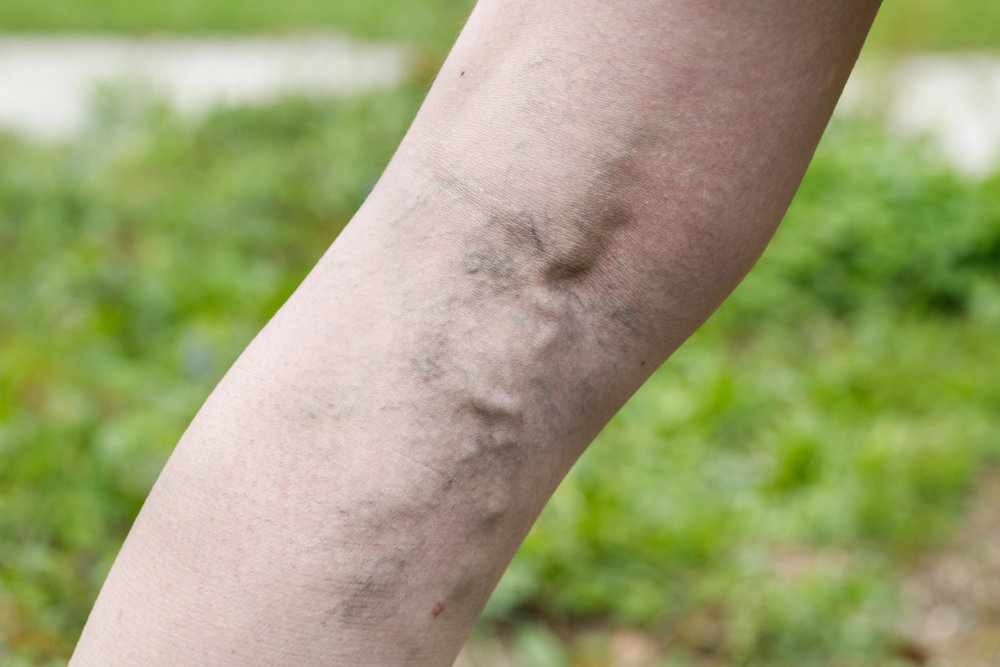
Varicose veins develop when the small valves meant to keep blood flowing toward the heart stop working as they should. When these valves fail, blood pools in the lower extremities, causing the vein walls to stretch, bulge, and become visible beneath the skin. This buildup of pressure can lead to a variety of physical symptoms that interfere with daily life.
Patients frequently seek varicose veins treatment in Jersey City for several reasons. For some, the main concern is the persistent aching, throbbing, or swelling that makes walking or standing difficult. Others are bothered by the appearance of bulging veins or skin changes that occur as the condition progresses. Regardless of the motivation, addressing these vascular issues is important for maintaining long-term leg health.
Modern medicine has changed the way we approach vein health. The days of invasive vein stripping surgeries that required long hospital stays and significant recovery times are largely over. Today, a vein specialist in Jersey City can offer minimally invasive procedures that are performed in an office setting. These techniques focus on closing or removing damaged vessels with minimal discomfort, allowing patients to return to their routines quickly.
Dr. Joseph F. Popovich is a dedicated vascular surgeon in Jersey City who provides advanced care for those struggling with venous disease. By focusing on the latest diagnostic tools and non-surgical interventions, Dr. Popovich helps patients relieve their leg pain and restore the appearance of their legs.
What Are Varicose Veins
To understand why veins become varicose, it helps to look at how the circulatory system functions. Your veins have a difficult job: they must carry blood from your extremities back up to your heart, working against gravity. To assist with this upward movement, the inside of your veins is lined with tiny, one-way valves.
In a healthy system, these valves open to let blood pass through and then snap shut to prevent it from flowing backward. However, if the vein walls become weak or the valves are damaged, they can no longer close tightly. This allows blood to leak backward and pool in the vessel, a process known as venous reflux.
As the blood collects, the pressure inside the vessel increases. This extra pressure causes the vein to:
- Enlarge and widen
- Twist or turn into a rope-like shape
- Bulge outward toward the surface of the skin
While this can happen anywhere in the body, it most frequently occurs in the lower legs because the pressure from standing and walking puts the greatest strain on those vessels. You will most likely notice them on the calves, thighs, or behind the knees.
Symptoms of Varicose Veins
The signs of venous disease are not the same for everyone. Some people may have large, visible veins without pain, while others experience significant discomfort with very few visible signs. Typically, symptoms worsen throughout the day, especially after prolonged activity or standing.
Common symptoms include:
- Aching or heavy legs: A feeling that your legs are weighted down or tired.
- Swelling: Pitting or puffiness in the ankles and lower legs, often worse in the evening.
- Visible veins: Dark purple or blue vessels that appear twisted and bulging.
- Itching or burning: Sensations centered around one or more of your veins.
- Throbbing pain: A rhythmic discomfort or beating sensation in the legs.
- Nighttime leg cramps: Sudden muscle spasms that disrupt sleep.
- Skin discoloration: The skin near the veins may turn brown, red, or become leathery.
Symptoms often flare up after prolonged standing or sitting, such as during a long work shift or a cross-country flight. It is also common to feel more physical fatigue in the legs as the week progresses. If left alone, these symptoms usually do not stay the same; they tend to worsen over time as the pressure continues to damage the surrounding tissue.
What Causes Varicose Veins
The root cause of this condition is venous valve dysfunction. When the one-way doors in your veins fail, the mechanical failure creates a domino effect. Backward flow leads to high pressure, which leads to stretching, which eventually makes the valve even less functional. It is a cycle that physically changes the structure of your legs.
Risk Factors
While anyone can develop these issues, certain factors make it more likely that your valves will weaken over time:
- Aging: As we get older, the wear and tear on vein valves can cause them to lose their elasticity.
- Pregnancy: Increased blood volume and hormonal changes put massive pressure on the venous system.
- Obesity: Carrying extra weight increases the load on your leg veins.
- Occupation: Professions that require prolonged standing, such as nurses, teachers, or retail workers, frequently lead to vein issues.
- Sedentary lifestyle: Lack of movement means the calf muscles aren’t pumping blood upward, leading to stagnation.
- Family history: If your parents had varicose veins, you are more likely to have them too.
- Hormonal changes: Fluctuations during menopause or while taking birth control can relax vein walls.
Women are more frequently diagnosed with this condition than men, largely due to the hormonal influences and the physical changes associated with pregnancy.
Varicose Vein Diagnosis
If you are concerned about your leg health, the first step is a visit to a varicose vein doctor in Jersey City. A specialist will use a specific set of tools to determine exactly how well your blood is moving.
Physical Examination
The doctor will look at your legs while you are standing to check for swelling and visible bulging. They will also look for any signs of skin irritation or changes in color.
Medical History Review
You will discuss your lifestyle, how long you have had symptoms, and whether you have a family history of blood clots or vein disease.
Ultrasound Imaging
A duplex ultrasound is the standard diagnostic tool. This non-invasive test uses sound waves to create a map of your veins. It allows the specialist to see:
- The direction of blood flow
- The health of the valves
- The specific structure and size of the veins
Vein Mapping
By using ultrasound mapping, the doctor can pinpoint the exact source of the reflux. This allows them to create a treatment plan that addresses the feeder veins, not just the visible ones on the surface. Getting an accurate diagnosis is the only way to choose the most helpful path forward.

Varicose Vein Treatment Options
The primary goals of treatment are to improve circulation, relieve symptoms, and prevent complications like ulcers or clots. By addressing the root cause of the pressure, a specialist can help you regain your mobility and comfort. Modern treatment programs are designed with several key objectives in mind:
- Improving Circulation: Closing off damaged vessels allows your body to naturally reroute blood flow to healthier, more efficient veins deeper in the leg.
- Relieving Symptoms: Removing the source of the pressure helps eliminate the daily aching, heaviness, and throbbing that can make life difficult.
- Preventing Complications: Early intervention halts the progression of vein disease, reducing the risk of skin ulcers, chronic swelling, and dangerous blood clots.
- Improving Appearance of the Legs: Beyond the physical relief, these procedures help smooth out bulging vessels and clear away discoloration, helping you feel more confident in your skin.
In the past, many people avoided seeking help because they feared a painful hospital stay. However, the field of vascular medicine has seen a major shift toward office-based care. Modern, minimally invasive options allow treatment of both small and large vessels with high success rates and minimal downtime. These procedures are performed using local numbing, meaning you stay awake and can typically drive yourself home afterward.
By using advanced tools like ultrasound, lasers, and specialized medical adhesives, your doctor can target the exact area of concern without the need for large incisions or general anesthesia.
Compression Therapy
Before moving toward procedural interventions, many patients begin with conservative management. This approach focuses on applying external pressure to support the leg’s internal mechanics. By applying a specific amount of pressure to the limb, you can manually compensate for weakened valves that struggle to push blood upward against gravity.
Compression stockings are the primary tool used in this phase of care. These are not typical socks; they are engineered with graduated pressure that is tightest at the ankle and gradually loosens as it moves up the leg. This design serves several purposes:
- Improve Circulation: The external squeeze helps the vein walls stay closer together, allowing the internal valves to close more completely and move blood more effectively toward the heart.
- Reduce Swelling: By preventing fluid from leaking from the small vessels into the surrounding tissue, these garments keep ankles and calves from puffing up during the day.
- Support Vein Function: The steady pressure provides a scaffold for the veins, preventing them from stretching further under the weight of pooling blood.
Specialists often recommend this path for early-stage symptoms, such as mild aching or occasional heaviness after a long shift. It is also a standard requirement for symptom management before procedures, as many insurance providers want to see how the body responds to conservative care before approving more advanced treatments. Even after a procedure, wearing these stockings for a short period helps the legs heal and maintains the results of the intervention.
Laser Vein Treatment
For laser varicose vein treatment in Jersey City, focused light energy is used to close off smaller vessels. The heat from the laser damages the vein, which causes it to seal and eventually disappear. It is a great choice for smaller veins and cosmetic concerns because it requires no incisions.
Endovenous Ablation
Endovenous ablation in Jersey City is the gold standard for treating larger, deeper varicose veins. A thin catheter is inserted into the vein through a tiny entry point. Heat, either from a laser or radiofrequency energy, is applied to the inside of the vein wall. This causes the vein to collapse and close. Benefits include:
- Use of local anesthesia
- No stitches required
- Ability to walk immediately after the procedure
Microphlebectomy
For laser varicose vein treatment in Jersey City, focused light energy is used to close off smaller vessels. The heat from the laser damages the vein, which causes it to seal and eventually disappear. It is a great choice for smaller veins and cosmetic concerns because it requires no incisions.
Benefits of Minimally Invasive Vein Treatment
The shift away from traditional surgery has made vein removal surgery in Jersey City a much more comfortable experience. Today’s treatments are vastly different from the procedures of twenty years ago.
The advantages of modern care include:
- Outpatient procedures: Most treatments happen in the office, and you go home the same day.
- Small incisions: Many techniques require only a needle stick, meaning no scars.
- Quick recovery: Most patients can return to work or light activities within 24 hours.
- Better results: Treating the source of the problem leads to lasting relief and better-looking legs.
Most appointments take between 30 and 60 minutes, making it easy to fit into a busy schedule.
Spider Veins vs. Varicose Veins
It is common to confuse these two, but they are different conditions.
| Feature | Spider Veins | Varicose Veins |
|---|---|---|
| Appearance | Small, thin red or blue lines | Large, thick, twisting, and bulging |
| Pattern | Looks like webs or branches | Looks like ropes under the skin |
| Sensation | Usually painless; may itch | Often causes heavy, aching, or throbbing pain |
| Health Impact | Primarily a cosmetic concern | Can lead to serious circulation issues |
While spider veins are mostly a matter of appearance, they can sometimes appear alongside larger varicose veins. Both can be addressed with modern vein procedures as part of a single treatment plan.
When to See a Vein Specialist
You don’t have to wait until your legs are unbearable to seek help. You should book an evaluation if you notice:
- Persistent leg pain that doesn’t go away with rest.
- Bulging veins that are tender to the touch.
- Leg swelling that makes your shoes feel tight by the end of the day.
- Skin discoloration or hardening around your ankles.
- Ulcers or sores that heal slowly.
Early intervention is the best way to avoid complications like blood clots, deep vein thrombosis, or permanent skin damage. Addressing leg vein pain treatment in Jersey City early on keeps your legs healthy and functional.
Why Choose Our Jersey City Vein Specialist
When it involves your circulation, you want a provider with deep expertise. Dr. Popovich is a board-certified vascular surgeon in Jersey City with extensive experience in venous disease.
Choosing our clinic means you receive:
- Care from a doctor who understands the entire vascular system.
- Access to the latest diagnostic imaging and ultrasound technology.
- A plan built around your specific symptoms and health history.
- A focus on comfortable, office-based procedures that get results.
Every patient is different, and we take the time to explain your condition so you feel confident in your care.
Varicose Veins Treatment FAQ
1. Are varicose veins dangerous?
While many are just uncomfortable, they can lead to serious issues like blood clots or skin ulcers if the underlying pressure isn’t addressed. Over time, the stagnant blood can cause inflammation in the surrounding tissues. This may result in deep vein thrombosis, a medical concern requiring immediate attention.
2. What causes varicose veins to develop?
They develop when the one-way valves in the veins fail, causing blood to pool and the vessel to stretch. This backward flow of blood increases the internal pressure against the vein walls. As the walls weaken, the vein becomes visibly distorted and loses its ability to move blood toward the heart.
3. When should I see a vein specialist?
See a specialist if you have visible bulging, persistent leg heaviness, swelling, or if you are unhappy with the appearance of your legs. It is also wise to seek a consultation if your symptoms interfere with your work or sleep. Getting an early evaluation can prevent more painful complications from developing later.
4. What is the best treatment for varicose veins?
The best treatment depends on your specific anatomy. Endovenous ablation in Jersey City is popular for large veins, while sclerotherapy is great for smaller ones. A specialist will use ultrasound imaging to determine which method will provide the most lasting relief for your specific case.
5. How long does vein treatment take?
Most office-based procedures are completed in 30 to 60 minutes. Because there is no need for general anesthesia, you won’t have to spend hours in a recovery room. You can typically arrive for your appointment and head home shortly after the procedure is finished.
6. Is varicose vein treatment painful?
Modern treatments use local numbing agents. Most patients describe the sensation as a mild pressure rather than pain. Any post-procedure soreness is usually very mild and can be managed with over-the-counter pain relievers or by wearing compression stockings.
7. How long is vein treatment recovery?
Most people walk out of the office and immediately return to their normal daily activities, though heavy exercise may be paused for a few days. You will be encouraged to walk right after the session to help your circulation adjust. Most patients find they can return to their jobs the very next day.
8. Will treated veins return?
Once a vein is closed or removed, it cannot return. However, new varicose veins can develop in other vessels if you are prone to the condition. Maintaining a healthy lifestyle and following your doctor’s advice on compression can help keep your remaining veins healthy.
9. Are spider veins the same as varicose veins?
No. Spider veins are smaller and closer to the surface. Varicose veins are larger, deeper, and more likely to cause physical pain. While spider veins are often a cosmetic issue, they can sometimes indicate that larger, hidden varicose veins are also under pressure.
10. Does insurance cover varicose vein treatment?
If the veins are causing medical symptoms like pain or swelling, many insurance plans do cover treatment. Cosmetic-only cases are usually not covered. Our office staff can help you navigate your provider’s requirements to determine whether you qualify for coverage.
11. Can varicose veins be prevented?
You can lower your risk by exercising, maintaining a healthy weight, and avoiding standing still for hours at a time. Elevating your legs when you are resting also helps gravity move blood back toward your heart. Wearing compression socks during long flights or work shifts is another way to support your vascular health.
12. Is laser treatment effective for varicose veins?
Yes, laser energy is a highly effective way to seal damaged veins without surgery. This technology allows for extreme accuracy while protecting the healthy tissue surrounding the vein. It has become one of the most trusted treatments for vein disease with minimal downtime.
13. What is endovenous ablation?
It is a procedure where heat is used to close a diseased vein from the inside, redirecting blood to healthier vessels. A thin fiber is inserted into the vein to deliver the energy directly where it is needed. Once the vein is sealed, your body naturally reroutes circulation through deeper, more efficient veins.
14. What happens if varicose veins are left untreated?
The pressure can lead to permanent skin staining, chronic swelling, and painful leg ulcers. In some cases, the thin skin over a bulging vein can break, leading to bleeding that is difficult to stop. The condition is progressive, meaning it will likely continue to get worse without medical intervention.
15. Can varicose veins come back after treatment?
The treated vein is gone forever, but since you have many veins in your legs, other ones can become damaged over time. Genetic factors and lifestyle habits influence whether new veins bulge. Regular checkups with your specialist can help catch any new issues before they become severe.
Conclusion
Varicose veins are a very common condition, but they don’t have to be a permanent part of your life. Whether you are dealing with bulging veins treatment in Jersey City or the dull ache of spider veins treatment in Jersey City, help is available right here in your community.
Ignoring the symptoms usually leads to more discomfort down the road. With modern advancements, treating vein disease is faster and more comfortable than ever before. You can find relief from leg pain and swelling while restoring the healthy look of your legs through simple, office-based procedures.
If you are tired of heavy legs and visible veins, it is time to get an expert opinion. Dr. Popovich offers the latest in vascular care to help you move comfortably again.