
Hemorrhoid & Hernia Treatment in Jersey City: The Complete Guide
Last Updated: Nov 5 2026
Noticing blood after a bowel movement or discovering a new bulge in your groin can be unsettling. You may wonder whether the problem will resolve on its own, whether surgery is necessary, or whether waiting could make things worse. When symptoms keep returning or begin interfering with everyday activities, getting an accurate diagnosis becomes especially important.
Hemorrhoids and hernias are common conditions, but they affect different parts of the body and require different approaches to care. Hemorrhoids involve the blood vessels and supporting tissues around the anus and lower rectum. A hernia develops when tissue pushes through a weakened area of muscle or surrounding tissue, often creating a noticeable bulge.
For patients seeking hemorrhoid or hernia treatment in Jersey City, Dr. Joseph F. Popovich provides surgical evaluation and guidance based on the underlying condition, symptom severity, and individual health needs. Not every patient requires surgery, but understanding when a procedure may be appropriate can help you make a more informed decision.
Understanding Hemorrhoids: Causes, Symptoms, and Types
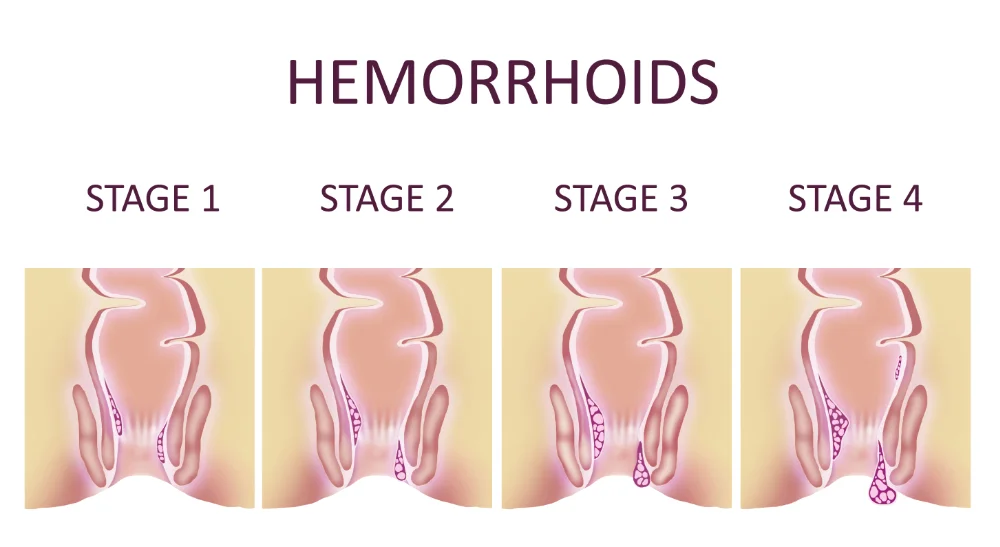
Hemorrhoids, sometimes called piles, develop when the normal vascular cushions within the anal canal become enlarged, irritated, or displaced. These cushions help support normal bowel control, but changes in the surrounding tissues and increased pressure can cause symptoms.
Hemorrhoids are classified as internal or external depending on their location.
Internal vs. External Hemorrhoids
Internal hemorrhoids develop inside the anal canal and often cause painless, bright-red bleeding during bowel movements. Some may prolapse, meaning the tissue extends outside the anus. Depending on the severity, the tissue may return on its own, require manual reduction, or remain outside.
External hemorrhoids occur beneath the skin surrounding the anus. They may cause itching, swelling, tenderness, or irritation. When a blood clot forms within an external hemorrhoid, the resulting thrombosed hemorrhoid can cause sudden, significant pain and a firm lump near the anus.
These differences matter because treatments that work for internal hemorrhoids may not be appropriate for external hemorrhoids.
What Causes Hemorrhoids?
Hemorrhoids can develop when repeated pressure and changes in supporting tissue affect the anal and rectal area. Common contributing factors include:
- Chronic constipation and straining during bowel movements
- Frequent diarrhea
- Low dietary fiber intake
- Pregnancy and increased pelvic pressure
- Prolonged sitting on the toilet
- Repeated heavy lifting or straining
- Age-related weakening of supporting tissues
Constipation is particularly relevant because hard stools often require more effort to pass. Repeated straining can worsen existing hemorrhoids and contribute to prolapse.
However, having one or more risk factors does not mean you will necessarily develop hemorrhoids. Symptoms often result from several contributing factors rather than one specific activity.
When Hemorrhoid Symptoms Need Medical Attention
Occasional irritation may improve with changes in bowel habits, but persistent symptoms deserve evaluation.
Common signs include rectal bleeding, itching, swelling, discomfort, and tissue that protrudes during bowel movements.
Rectal bleeding should never automatically be attributed to hemorrhoids. Anal fissures, inflammatory conditions, colorectal polyps, and colorectal cancer can also cause bleeding. A medical evaluation helps determine whether hemorrhoids are responsible and whether additional testing is necessary.
Severe pain, substantial bleeding, or rapidly worsening swelling also warrants prompt attention.
Hemorrhoid Treatment Options: When Is Surgery Necessary?
Many hemorrhoid symptoms improve without surgery, particularly when the condition is identified early and contributing bowel habits are addressed.
The appropriate treatment depends on the hemorrhoid type, degree of prolapse, severity of symptoms, and response to previous care.
Conservative Hemorrhoid Treatment
Initial treatment often focuses on reducing irritation and making bowel movements easier.
Increasing dietary fiber can help soften and regulate stools, while adequate hydration supports normal bowel function. Patients may also benefit from avoiding prolonged toilet sitting, reducing straining, and responding to the urge to have a bowel movement rather than delaying it.
Warm sitz baths and selected topical medications may provide temporary symptom relief. However, creams and suppositories generally do not correct significant prolapse or eliminate larger hemorrhoids.
If symptoms persist despite these measures, a more targeted treatment may be needed.
Office-Based Hemorrhoid Procedures
Certain internal hemorrhoids can be treated with office-based procedures.
Rubber band ligation is a commonly used technique in which a small band is placed around the base of an internal hemorrhoid, reducing its blood supply. The treated tissue eventually separates, and the area heals.
Other techniques include injection sclerotherapy and infrared coagulation. These procedures are not appropriate for every hemorrhoid, and the available options depend on the treating clinician’s services and the patient’s condition.
External hemorrhoids and more advanced prolapse may require a different approach.
When Hemorrhoid Surgery May Be Recommended
Surgical treatment may be considered when hemorrhoids cause significant symptoms, repeatedly return, or do not respond adequately to less invasive care.
A hemorrhoidectomy involves surgically removing symptomatic hemorrhoidal tissue. It may be recommended for certain large external hemorrhoids, combined internal and external disease, or advanced prolapsing hemorrhoids.
Although surgery can provide substantial symptom improvement for appropriately selected patients, recovery generally involves more discomfort than office-based procedures.
The decision should account for the expected benefits, potential complications, recovery requirements, and your individual circumstances.
What Is a Hernia and How Does It Develop?
A hernia occurs when tissue, often fatty tissue or part of an organ, pushes through a weak area in the surrounding muscle or connective tissue.
Abdominal wall hernias frequently appear as a bulge that becomes more noticeable when standing, coughing, lifting, or straining. Some cause little discomfort initially, while others produce persistent pressure or pain.
Unlike hemorrhoids, hernias involve a structural weakness. Most abdominal wall hernias do not permanently close without surgical repair.
Common Types of Hernias

Inguinal Hernia
An inguinal hernia develops in the groin and is one of the most common abdominal wall hernias. It may cause a bulge, pulling sensation, or discomfort that becomes more noticeable during physical activity.
Femoral Hernia
A femoral hernia occurs lower in the groin, near the upper thigh. Although less common, femoral hernias carry a greater risk of incarceration and strangulation, making timely surgical assessment important.
Umbilical Hernia
An umbilical hernia develops near the belly button. In adults, it may gradually enlarge or become uncomfortable, particularly when abdominal pressure increases.
Incisional Hernia
An incisional hernia develops through a weakened area near a previous surgical incision. Its size and complexity can vary considerably.
What Causes a Hernia?
Some patients have an existing weakness in the abdominal wall, while others develop one over time.
Factors such as aging, previous abdominal surgery, pregnancy, obesity, chronic coughing, and repeated increases in abdominal pressure may contribute.
Heavy lifting can make an existing hernia more noticeable, but it is not necessarily the sole cause.
Hemorrhoids vs. Hernias: Understanding the Difference
Although both conditions may become more uncomfortable during straining, their symptoms and treatments are distinct.
Feature | Hemorrhoids | Hernias |
Location | Anus and lower rectum | Groin, abdominal wall, or near a previous incision |
Common symptoms | Bleeding, itching, swelling, discomfort, prolapse | Bulge, pressure, pain with activity or straining |
Underlying problem | Enlarged or displaced hemorrhoidal tissue | Weakness or defect in the surrounding tissue |
Initial management | Fiber, bowel-habit changes, symptom relief | Observation in selected cases or surgical evaluation |
Procedural treatment | Office-based procedures or hemorrhoid surgery | Open or minimally invasive hernia repair |
A painful lump near the anus is not the same as a groin bulge, even if both develop after straining.
If you’re uncertain about the cause of your symptoms, an examination is more reliable than attempting to identify the condition yourself.
When Does a Hernia Need Surgery?
Not every hernia requires immediate repair. However, the decision to monitor a hernia should be based on its type, symptoms, and potential risk of complications.
Watchful waiting may be reasonable for selected men with minimally symptomatic inguinal hernias. It is not equally appropriate for all hernia types or patient groups.
A hernia that causes increasing pain, interferes with work or exercise, enlarges, or presents concerning clinical findings may be better managed with surgical repair.
Can a Hernia Heal on Its Own?
Most adult abdominal wall hernias do not heal spontaneously because the weakness or opening in the abdominal wall remains present.
Reducing heavy lifting or avoiding activities that aggravate symptoms may improve comfort temporarily, but these measures do not close the defect.
Supportive garments may be helpful in selected situations, but they are not a substitute for appropriate medical evaluation.
What Happens if a Hernia Is Left Untreated?
Some hernias remain relatively stable for a period, while others enlarge or become increasingly symptomatic.
An important concern is incarceration, which occurs when herniated tissue becomes trapped and cannot return to its normal position.
If the blood supply to trapped tissue becomes compromised, the condition is called strangulation. This is a surgical emergency.
Sudden severe pain, a tender or irreducible bulge, vomiting, abdominal distension, or other signs of bowel obstruction require immediate emergency evaluation.
Laparoscopic Inguinal Hernia Repair: A Minimally Invasive Surgical Option
For suitable patients, laparoscopic inguinal hernia repair provides a minimally invasive way to repair a weakness in the groin.
Rather than accessing the hernia through one larger incision directly over the groin, the surgeon typically uses several small incisions and specialized instruments.
A camera provides a magnified view of the operative area, allowing the surgeon to identify the defect and repair it. Mesh is commonly used to reinforce the weakened tissue and reduce the risk of recurrence.
Dr. Popovich evaluates the hernia’s location, characteristics, and the patient’s medical history to determine whether a laparoscopic approach is appropriate.
Potential Benefits of Laparoscopic Hernia Repair
For appropriately selected patients, laparoscopic repair may offer several advantages compared with certain open techniques.
These can include smaller incisions, less early postoperative discomfort, and a potentially faster return to some routine activities.
Laparoscopic repair may also be useful in certain patients with bilateral inguinal hernias or recurrent hernias following previous open repair.
However, these benefits are not guaranteed. Surgical history, anesthesia considerations, hernia complexity, and the surgeon’s experience all influence which technique is most suitable.
Laparoscopic vs. Open Hernia Repair
Open hernia repair involves an incision near the affected area, allowing the surgeon to access and repair the defect directly.
Laparoscopic surgery uses a camera and instruments inserted through smaller incisions to perform the repair from a different anatomical approach.
Both are established treatment options, and neither is automatically superior for every patient.
For example, a patient with certain previous abdominal operations or medical conditions may be better suited to open repair. Others may benefit from a minimally invasive approach.
The decision should reflect the patient’s anatomy, overall health, and surgical goals rather than the size of the incision alone.
What to Expect Before and After Hernia Surgery
If hernia repair is recommended, your surgical consultation provides an opportunity to discuss the procedure, anesthesia, potential risks, and expected recovery.
Your surgeon will review your medical history, current medications, previous operations, and the nature of your symptoms.
You should also discuss work responsibilities, exercise routines, and any activities involving heavy lifting, since these can affect recovery planning.
The First Few Days After Surgery
Some soreness, swelling, and bruising around the surgical area are common during early recovery.
Your surgical team will provide instructions about wound care, pain management, bathing, and activity.
Walking is often encouraged as tolerated, although more strenuous activity may need to be limited temporarily.
The extent of discomfort and the pace of recovery vary depending on the surgical technique and individual circumstances.
Returning to Work and Physical Activity
Patients with sedentary jobs may be able to resume certain activities sooner than those whose work involves repetitive lifting or strenuous physical labor.
There is no single recovery timeline that applies to every hernia repair.
Your surgeon will explain when it is appropriate to resume driving, exercise, lifting, and other routine activities based on your procedure and healing progress.
Follow-up appointments help assess recovery and address concerns before returning to more demanding activities.
When Should You Seek Medical Care?
Knowing when symptoms require attention can help prevent delays in diagnosis and treatment.
For hemorrhoids, arrange an evaluation if bleeding persists, symptoms repeatedly return, or pain and swelling interfere with normal activities. Severe rectal bleeding, faintness, or significant weakness warrants emergency assessment.
For hernias, schedule a consultation if you notice a new abdominal or groin bulge, persistent discomfort, or symptoms that worsen during physical activity.
Seek emergency care immediately if a hernia becomes suddenly painful and cannot be reduced, especially when accompanied by vomiting, abdominal swelling, or severe abdominal pain.
These symptoms may indicate a complication that cannot safely wait for a routine appointment.
Choosing Hemorrhoid and Hernia Treatment in Jersey City
When you’re considering treatment, the most important question isn’t simply which procedure is available. It’s whether the recommended treatment addresses the condition responsible for your symptoms.
At Dr. Popovich’s practice, evaluation begins with understanding your concerns and determining whether conservative management, further testing, or surgical treatment is appropriate.
For hemorrhoids, this may mean identifying whether symptoms involve internal hemorrhoids, external hemorrhoids, or another anorectal condition.
For hernias, the evaluation considers the type of hernia, its size and location, your symptoms, and whether repair is recommended.
Patients should feel comfortable discussing the expected benefits and risks of treatment, the reasons for choosing a particular surgical technique, and what recovery may involve.
Clear communication is especially important when deciding between observation and surgery or comparing open and laparoscopic repair.
Frequently Asked Questions About Hemorrhoids and Hernia Treatment
How Do Hemorrhoids Form?
Hemorrhoids develop when the vascular cushions and supporting tissues in the anal canal become enlarged, irritated, or displaced. Constipation, repeated straining, pregnancy, and changes in bowel habits can contribute. Treatment depends on whether the hemorrhoids are internal or external and how severe the symptoms have become.
What Are the Most Common Causes of Piles?
Piles is another name for hemorrhoids. Common contributing factors include constipation, diarrhea, straining during bowel movements, prolonged toilet sitting, pregnancy, and inadequate dietary fiber. Several factors may contribute at the same time.
Can Hemorrhoids Go Away Without Surgery?
Yes. Mild hemorrhoid symptoms often improve with increased fiber, adequate hydration, healthier bowel habits, and appropriate symptom relief. Persistent bleeding, significant prolapse, or recurring discomfort may require an office-based procedure or surgical evaluation.
When Is Hemorrhoid Surgery Necessary?
Surgery may be recommended for large or significantly prolapsing hemorrhoids, combined internal and external disease, or symptoms that remain troublesome despite appropriate treatment. The decision depends on the hemorrhoid type, symptom severity, and overall health.
What Is the Difference Between Hemorrhoids and a Hernia?
Hemorrhoids involve vascular tissue in and around the anus and lower rectum. A hernia occurs when tissue pushes through a weakened area of muscle or connective tissue, often in the groin or abdominal wall. They are separate conditions that require different treatments.
Can an Inguinal Hernia Be Treated Without Surgery?
Some minimally symptomatic inguinal hernias can be monitored in appropriately selected patients. However, most adult hernias do not repair themselves, and observation is not suitable for every hernia type. A surgical evaluation helps determine whether monitoring or repair is the safer approach.
What Is Laparoscopic Inguinal Hernia Repair?
Laparoscopic inguinal hernia repair uses several small incisions, a camera, and specialized instruments to repair a weakness in the groin. Mesh is commonly used to reinforce the area. The approach may offer recovery advantages for selected patients, but suitability depends on individual factors.
Is Laparoscopic Hernia Repair Better Than Open Surgery?
Both techniques are effective options for appropriately selected patients. Laparoscopic repair may offer smaller incisions and less early postoperative discomfort in certain situations, while open repair may be more appropriate for others. The recommended approach depends on the hernia and the patient’s health and surgical history.
How Long Does It Take to Recover From Hernia Surgery?
Recovery varies with the procedure, hernia characteristics, and individual healing response. Some patients resume light activities relatively quickly, while heavy lifting and strenuous work may require additional recovery time. Your surgeon will provide instructions specific to your repair.
Where Can I Find Hemorrhoid and Hernia Treatment in Jersey City?
Dr. Joseph F. Popovich provides surgical evaluation for patients seeking hemorrhoid and hernia treatment in the Jersey City area. A consultation can help clarify the diagnosis, determine whether surgery is appropriate, and explain the available treatment options.
Schedule a Hemorrhoid or Hernia Consultation in Jersey City
Persistent rectal bleeding, painful hemorrhoids, or a new abdominal or groin bulge can leave you uncertain about what to do next. While some conditions respond to conservative care, others require closer evaluation or surgical treatment to address the underlying problem.
Dr. Joseph F. Popovich helps patients in the Jersey City area understand their diagnosis and make informed decisions about treatment. Whether you’re concerned about recurring hemorrhoid symptoms or considering laparoscopic inguinal hernia repair, the first step is determining which approach is appropriate for your condition.