
Hemorrhoids Treatment
Services Directory
Get In Touch
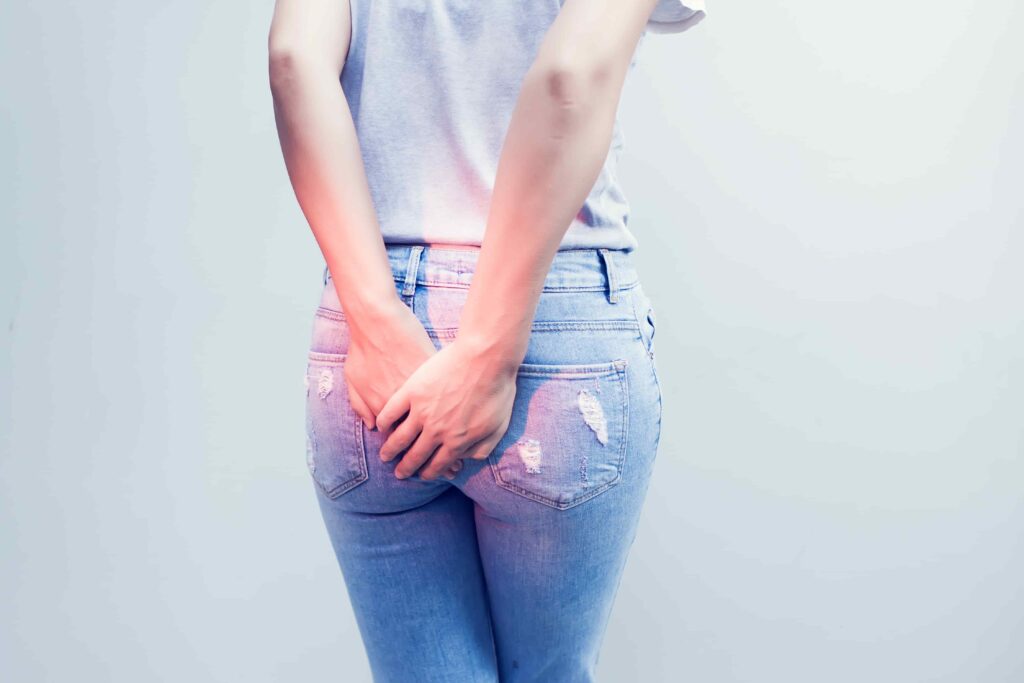
Comprehensive Hemorrhoids Treatment & Removal in Jersey City, NJ
If you’re embarrassed about your hemorrhoids, don’t be. Hemorrhoids affect 3 of 4 people at some point in their life. Hemorrhoids don’t always cause discomfort, but if they’re affecting your everyday life, it may be time to consider removal.
Joseph F. Popovich, MD, FACS, a board-certified general surgeon providing hemorrhoids care in Jersey City, New Jersey, offers expert evaluation and noninvasive treatment options designed to minimize discomfort and recovery time. Call today or book a consultation online to discuss your symptoms.
What are hemorrhoids?
Also referred to as piles, hemorrhoids are swollen veins that develop in your anus or rectum. They’re a common problem that develops from a number of causes, such as:
- Straining during a bowel movement
- Sitting on the toilet for extended periods of time
- Carrying too much weight
- Not eating enough fiber
Pregnant women and older adults are also at higher risk of developing hemorrhoids. Patients seeking hemorrhoids evaluation in Jersey City, NJ can benefit from early diagnosis and appropriate care.
What are the symptoms of hemorrhoids?
You may or may not develop symptoms with hemorrhoids. Common symptoms include:
- Bright red blood in your stool
- Itching, irritation, or swelling around your anus
- Painful lump at your anus
An accurate diagnosis by a qualified Jersey City hemorrhoids specialist helps determine the most effective treatment approach.
Internal hemorrhoids
Internal hemorrhoids are found inside your rectum and usually don’t cause any discomfort, although they may bleed during a bowel movement.
External hemorrhoids
External hemorrhoids develop around the outside of your anus and can become itchy and irritated.
Thrombosed hemorrhoids
Thrombosed hemorrhoids are the most bothersome and cause severe pain. They form when a clot develops in your external hemorrhoid, which then becomes swollen, inflamed, and hard.
How are hemorrhoids removed?
Dr. Popovich uses noninvasive and minimally invasive techniques to treat hemorrhoids whenever possible. After a physical examination and review of your medical history, he will determine whether you are a candidate for hemorrhoid removal.
If treatment is recommended, Dr. Popovich will explain the procedure, preparation steps, and what to expect during recovery. Patients receiving hemorrhoids treatment in Jersey City, NJ benefit from personalized care with limited downtime.
For related procedures, patients may also explore Dr. Popovich’s general surgery services offered at the practice.
What can I do to prevent hemorrhoids?
Preventing hemorrhoids often involves improving bowel habits and reducing strain. Keeping stools soft is one of the most effective ways to prevent hemorrhoids from developing. This can be achieved by:
- Eating a high-fiber diet including fruits, vegetables, whole grains, and beans
- Drinking plenty of water throughout the day
- Avoiding prolonged sitting on the toilet
- Staying physically active
When increasing fiber intake, do so gradually and maintain proper hydration to help prevent constipation.
For additional guidance on digestive health and fiber intake, patients may refer to educational resources from the National Institute of Diabetes and Digestive and Kidney Diseases (NIDDK).
If your hemorrhoids are making everyday life difficult and you’re considering treatment, contact Joseph F. Popovich, MD, FACS, for expert hemorrhoids care in Jersey City, New Jersey. Call the office today or book an appointment online to schedule your consultation.
FAQs
1. What are hemorrhoids?
Hemorrhoids are swollen veins in the anus or rectum that can cause discomfort, itching, swelling, bleeding, or pain.
2. What causes hemorrhoids?
Hemorrhoids can develop from straining during bowel movements, sitting on the toilet too long, low fiber intake, pregnancy, excess weight, and aging.
3. What are the symptoms of hemorrhoids?
Common hemorrhoid symptoms include bright red blood in the stool, anal itching, irritation, swelling, discomfort, and painful lumps near the anus.
4. What is the difference between internal and external hemorrhoids?
Internal hemorrhoids develop inside the rectum and may bleed without causing pain, while external hemorrhoids form around the anus and may cause itching, irritation, and discomfort.
5. What are thrombosed hemorrhoids?
Thrombosed hemorrhoids occur when a blood clot forms in an external hemorrhoid, leading to severe pain, swelling, inflammation, and a hard lump.
6. When should I see a doctor for hemorrhoids?
You should see a doctor if you have rectal bleeding, pain, swelling, ongoing irritation, or symptoms that interfere with your daily life.
7. How are hemorrhoids diagnosed?
A doctor can diagnose hemorrhoids through a physical exam, symptom review, and medical history to determine the type and severity of the condition.
8. How are hemorrhoids treated in Jersey City, NJ?
Hemorrhoids may be treated with noninvasive or minimally invasive options depending on your symptoms, exam findings, and overall health.
9. Do all hemorrhoids need to be removed?
No. Not all hemorrhoids require removal. Some can be managed with lifestyle changes or non-surgical treatment, while others may need a procedure.
10. What does hemorrhoid removal involve?
Hemorrhoid removal may involve a minimally invasive procedure recommended after an examination to relieve symptoms and improve comfort.
11. Is hemorrhoid treatment painful?
Treatment discomfort varies by the type of hemorrhoids and the procedure used, but minimally invasive approaches are often chosen to reduce pain and recovery time.
12. How long does recovery take after hemorrhoid treatment?
Recovery time depends on the type of treatment performed and the severity of the hemorrhoids, but minimally invasive options may allow for less downtime.
13. Can hemorrhoids go away on their own?
Some mild hemorrhoids may improve with better bowel habits, increased fiber, hydration, and avoiding strain, but persistent symptoms should be evaluated.
14. How can I prevent hemorrhoids?
You can help prevent hemorrhoids by eating more fiber, drinking enough water, staying active, avoiding constipation, and not sitting on the toilet for long periods.
15. How can I schedule a hemorrhoids consultation in Jersey City, NJ?
You can schedule a consultation by calling Dr. Popovich’s office or booking an appointment online.